
The holiday season is a time of joy, warmth, and festive decorations. Many households take part in adorning their homes with various plants and greenery to create a festive atmosphere. While these decorations add to the holiday spirit, it’s crucial for pet owners, particularly those with feline companions, to be aware of the potential dangers associated with certain plants. Some popular holiday plants can be toxic to cats, posing a risk to their health if ingested. In this article, we’ll explore some common holiday plants that are poisonous to cats and discuss the symptoms of toxicity.
Poinsettias (Euphorbia pulcherrima)
Poinsettias are synonymous with the holiday season, known for their vibrant red and green foliage. While the toxicity of poinsettias is often overemphasized, they can still cause mild gastrointestinal discomfort in cats if ingested. Symptoms may include vomiting, drooling, and mild skin irritation. It’s essential to keep these plants out of reach and promptly clean up any fallen leaves.
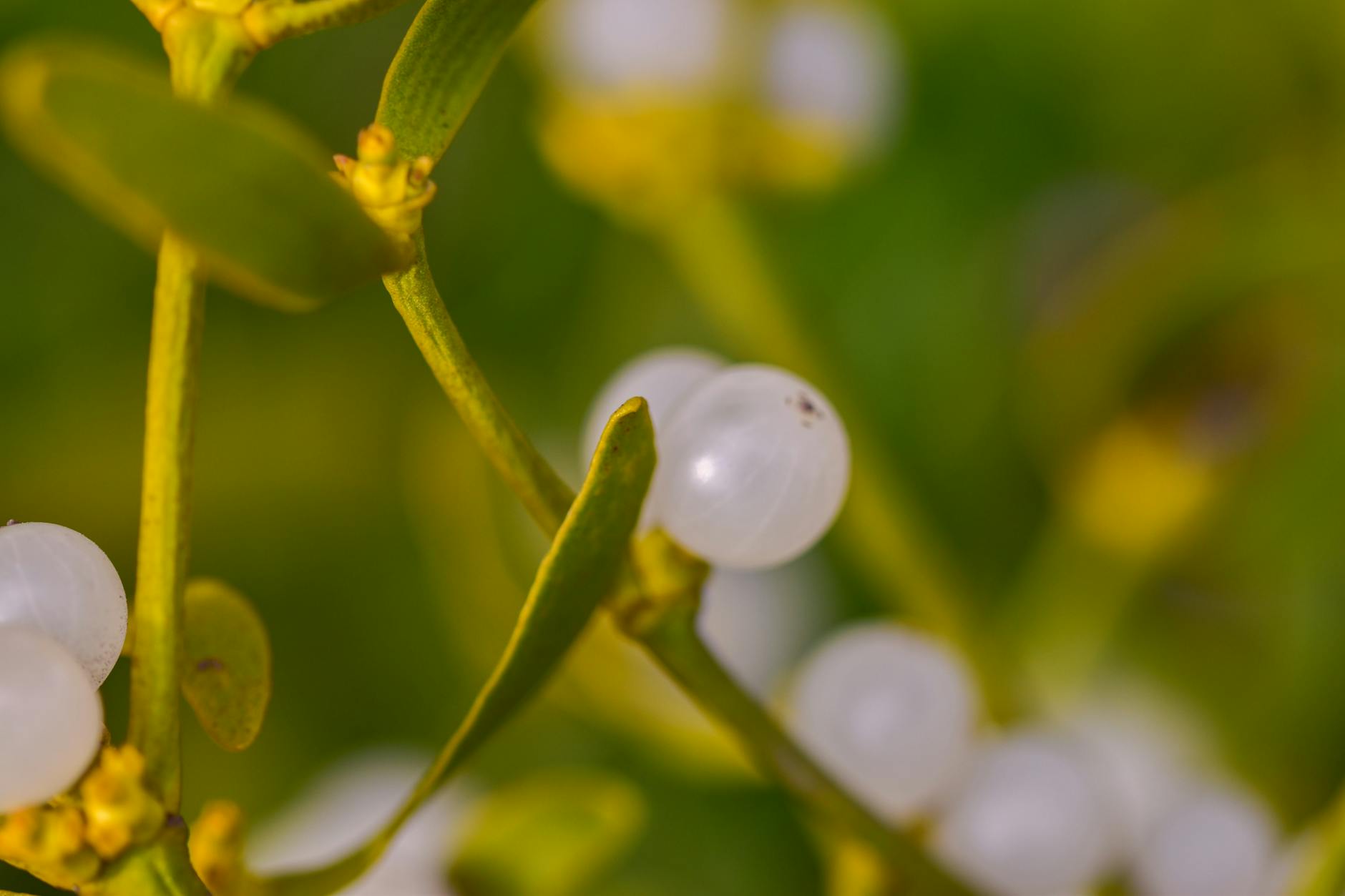
Mistletoe
Mistletoe is a traditional symbol of love and peace during the holidays. However, both the American and European varieties of mistletoe contain compounds that can be toxic to cats. Ingesting mistletoe can lead to symptoms such as vomiting, diarrhea, difficulty breathing, and even cardiovascular issues. Keep mistletoe well out of reach or consider opting for artificial alternatives to ensure your cat’s safety.
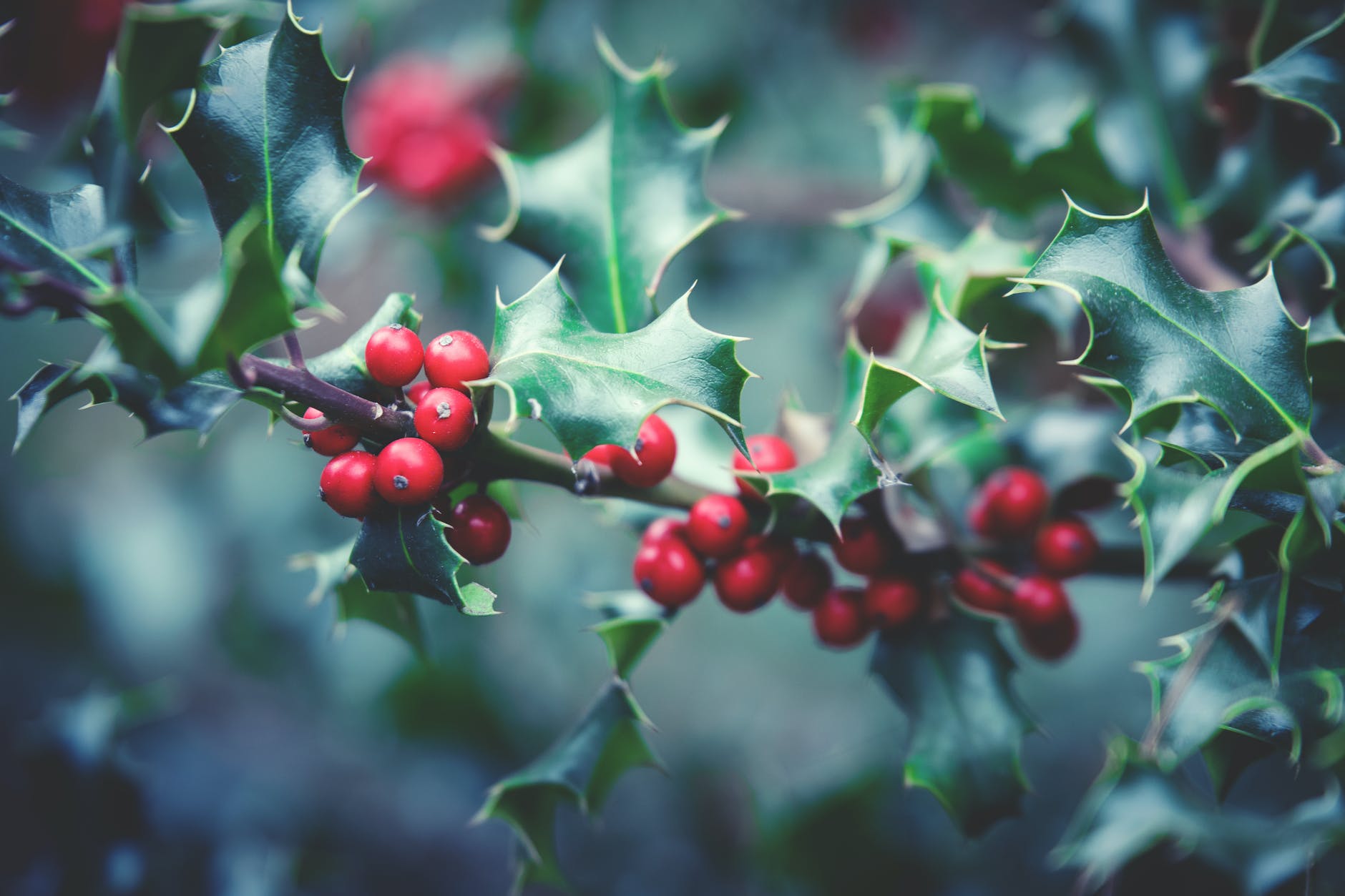
Holly (Ilex species)
Holly, with its glossy green leaves and bright red berries, is a classic holiday decoration. However, all parts of the holly plant, especially the berries, contain substances that can be harmful to cats. Ingesting holly may result in symptoms such as drooling, vomiting, diarrhea, and abdominal pain. Opt for artificial holly or choose cat-friendly alternatives to keep your feline friend safe.
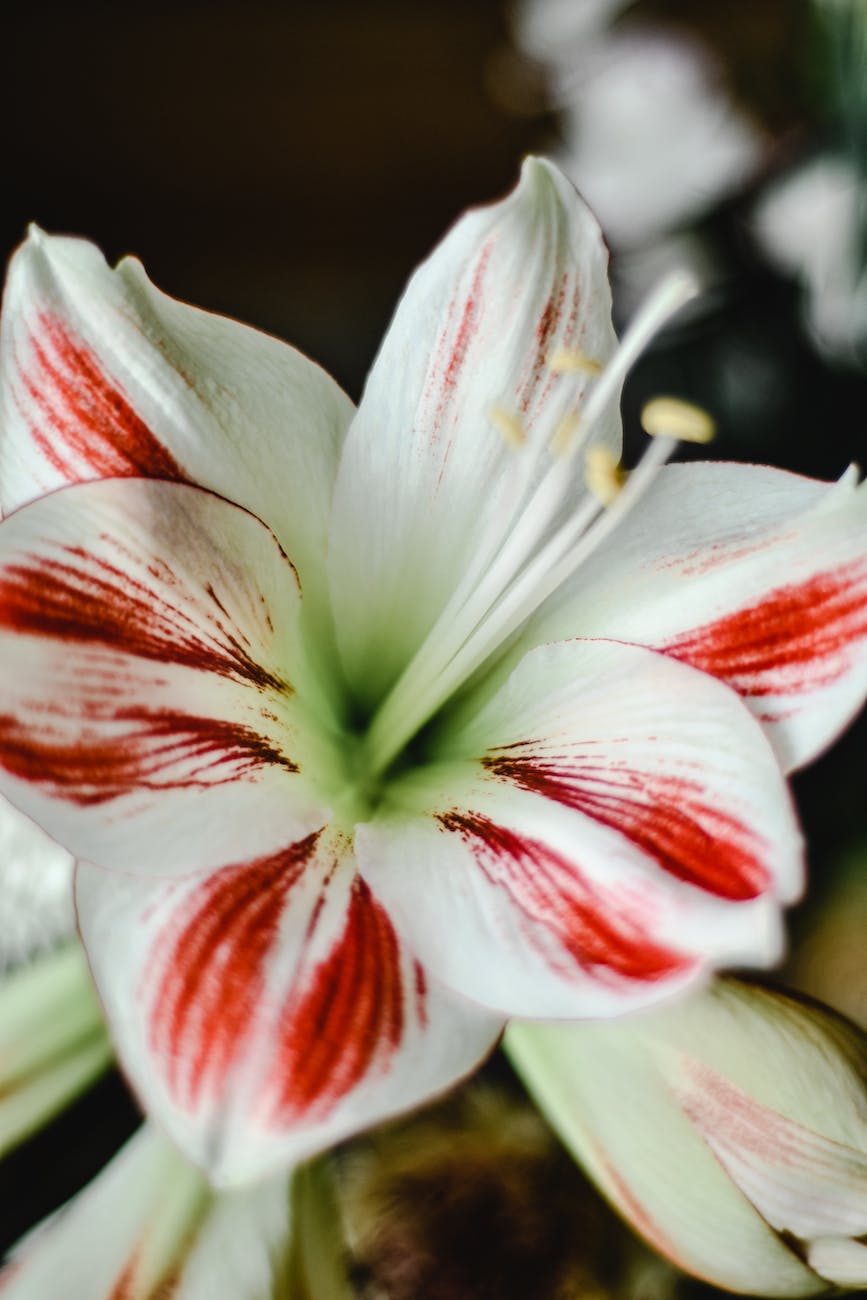
Amaryllis (Hippeastrum species)
Amaryllis bulbs produce stunning flowers and are popular as holiday gifts. However, these bulbs contain alkaloids that can be toxic to cats if ingested. Symptoms of amaryllis poisoning in cats include vomiting, diarrhea, lethargy, and abdominal pain. It’s crucial to keep amaryllis plants out of reach and to be cautious when receiving them as gifts.
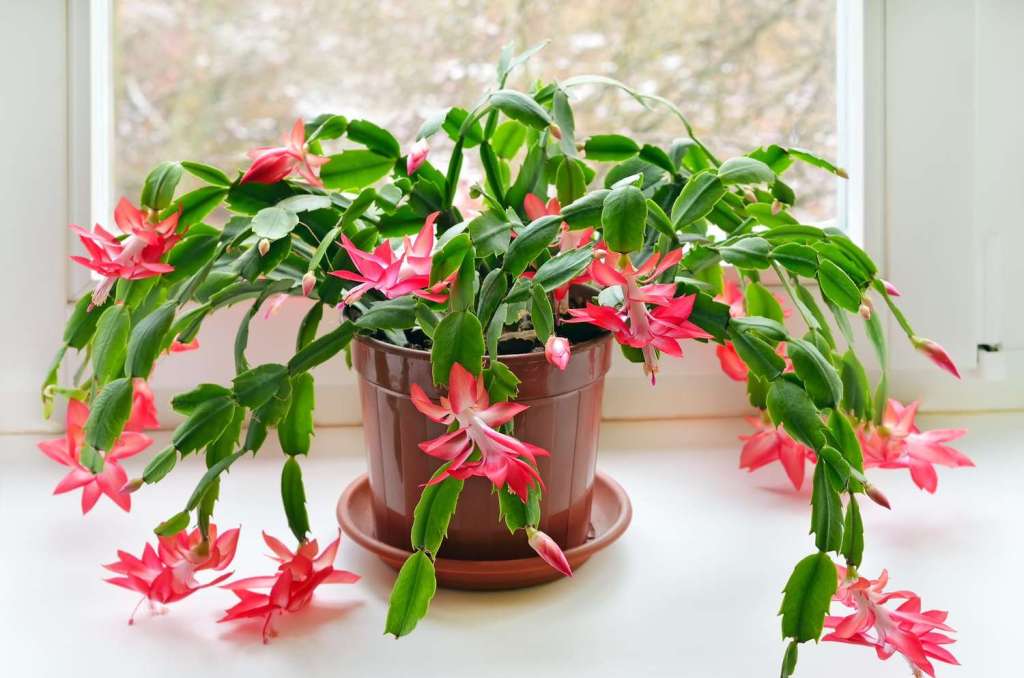
Christmas Cactus (Schlumbergera species)
While the Christmas Cactus is generally considered non-toxic to cats, some individuals may develop mild gastrointestinal upset if they ingest the plant. Symptoms such as vomiting and diarrhea may occur, though they are usually mild and short-lived. Still, it’s advisable to monitor your cat’s interaction with these plants and consult your veterinarian if any concerning symptoms arise.
As you deck the halls and embrace the festive spirit, it’s vital to prioritize the safety of your feline companions. Awareness of the potential dangers associated with holiday plants is the first step in creating a pet-friendly environment. If you suspect your cat has ingested a toxic plant or if they exhibit any unusual symptoms, seek veterinary attention promptly. By taking precautions and choosing cat-safe alternatives, you can ensure that both you and your furry friends enjoy a safe and joyful holiday season.
Earthshine Farm offers personalized pet care, including for cats. Our professional cat sitting services are tailored to meet the unique needs of your beloved kitty, ensuring they receive the love and attention they deserve whether in the comfort of their own home or our facility.
Don’t let your cat miss out on the love and care they deserve! Contact us today to book our professional cat sitting services and ensure a purrfectly delightful experience for your furry friend.
🐾 Your Cat’s Happiness is Our Priority! 🐾
 Earthshine Farm
Leave a comment