
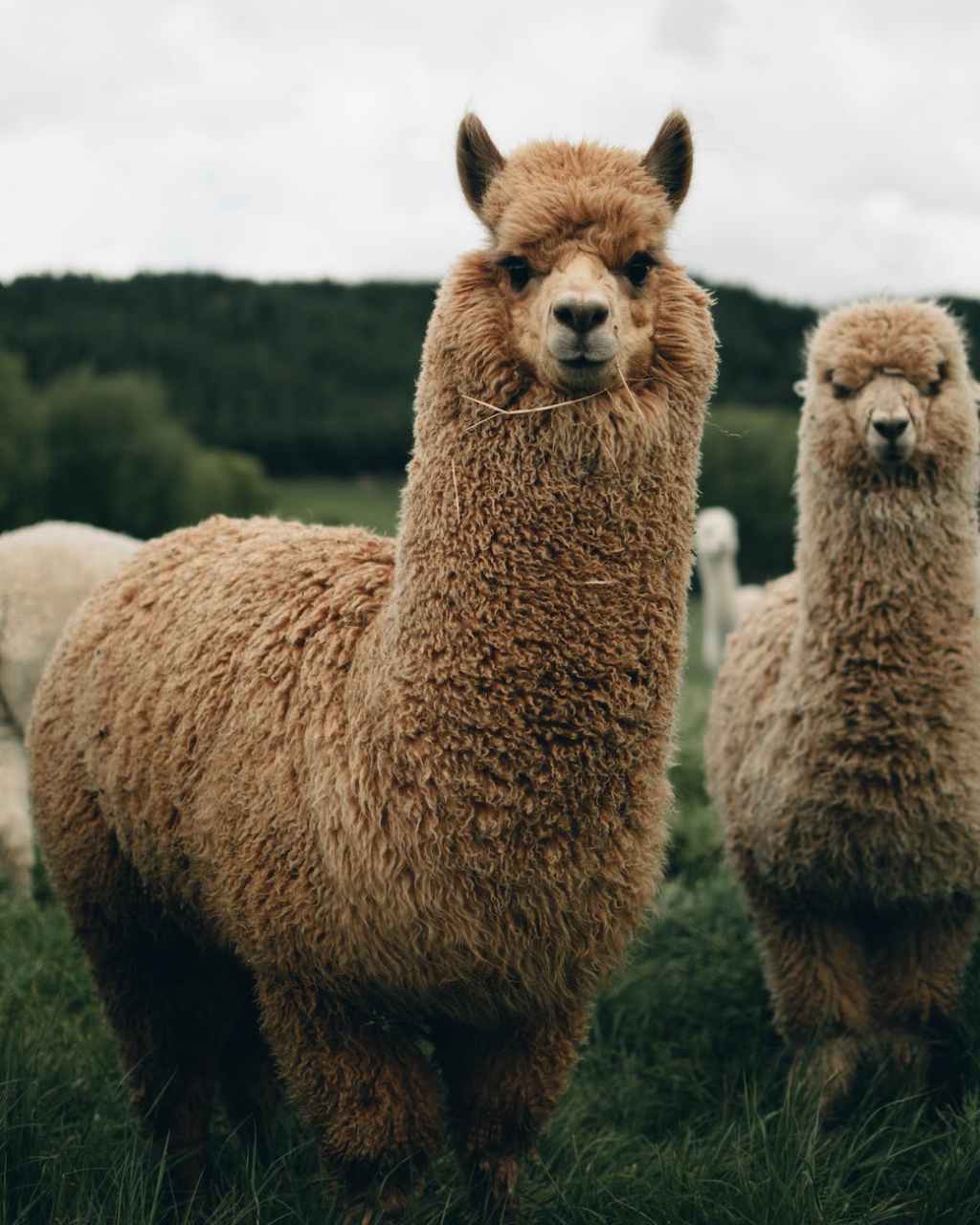
National Llama Day is a celebration of these fascinating and endearing creatures that have captured the hearts of people around the world. Llamas, known for their gentle nature and quirky personalities, make wonderful companions and valuable additions to farms. If you’re considering welcoming a llama into your life, or if you’re already a proud llama owner, here’s a comprehensive guide to llama care to ensure these incredible animals thrive in your care.
Understanding Llama Behavior: Llamas are social animals that thrive on companionship. It’s advisable to keep them in pairs or small groups to prevent loneliness and stress. They are intelligent and can form strong bonds with their human caregivers, often displaying loyalty and affection.
Learn to interpret llama body language to understand their moods and needs. Llamas may exhibit certain behaviors when they are stressed, scared, or unwell. Being attuned to their body language enables you to address any issues promptly.
Shelter and Space: Provide llamas with a secure and well-ventilated shelter to protect them from harsh weather conditions. Llamas are hardy animals, but they can be susceptible to heat stress. Ensure they have access to shade during hot weather. Additionally, llamas need ample space to roam and graze. Fencing should be sturdy and secure, as llamas can be known to jump.
Nutrition: A well-balanced diet is crucial for llama health. Llamas are natural grazers, so access to fresh, high-quality grass or hay is essential. Additionally, providing a formulated llama pellet feed can help meet their nutritional needs, especially if the pasture is lacking in certain nutrients. Regularly monitor their weight to ensure they are neither underweight nor overweight.
Llamas, like all animals, require access to clean and fresh water at all times. Regularly check water sources to ensure they are functioning correctly, and provide additional water during hot weather to prevent dehydration.
Healthcare: Regular veterinary check-ups are essential for llama care. Vaccinations, deworming, and dental care are crucial aspects of llama health maintenance. Llamas are susceptible to certain diseases, so it’s important to work closely with a veterinarian who is knowledgeable about camelid health.
Llamas have a thick, woolly coat that requires regular grooming, especially during shedding season. Gently brush their coat to remove dirt, debris, and loose hair. Trimming their toenails is also important to prevent discomfort and potential health issues.
Training and Handling: Llamas can be trained to be halter and lead rope responsive. Gentle and positive reinforcement methods work best when training llamas. Proper handling from a young age helps build trust and makes routine care activities more manageable.
On National Llama Day, let’s celebrate these captivating creatures by ensuring they receive the care they deserve. Whether you’re a seasoned llama owner or considering adopting one, following these guidelines will help create a happy and healthy life for your llama companions. Llamas bring joy, companionship, and a touch of whimsy to our lives, making them truly special animals to cherish and care for.
Even llama owners deserve to get away. Going on a vacation? Emergency trip? Just want a break? Contact us at Earthshine Farm today for a farm sitting consult.
 Earthshine Farm
Leave a comment