
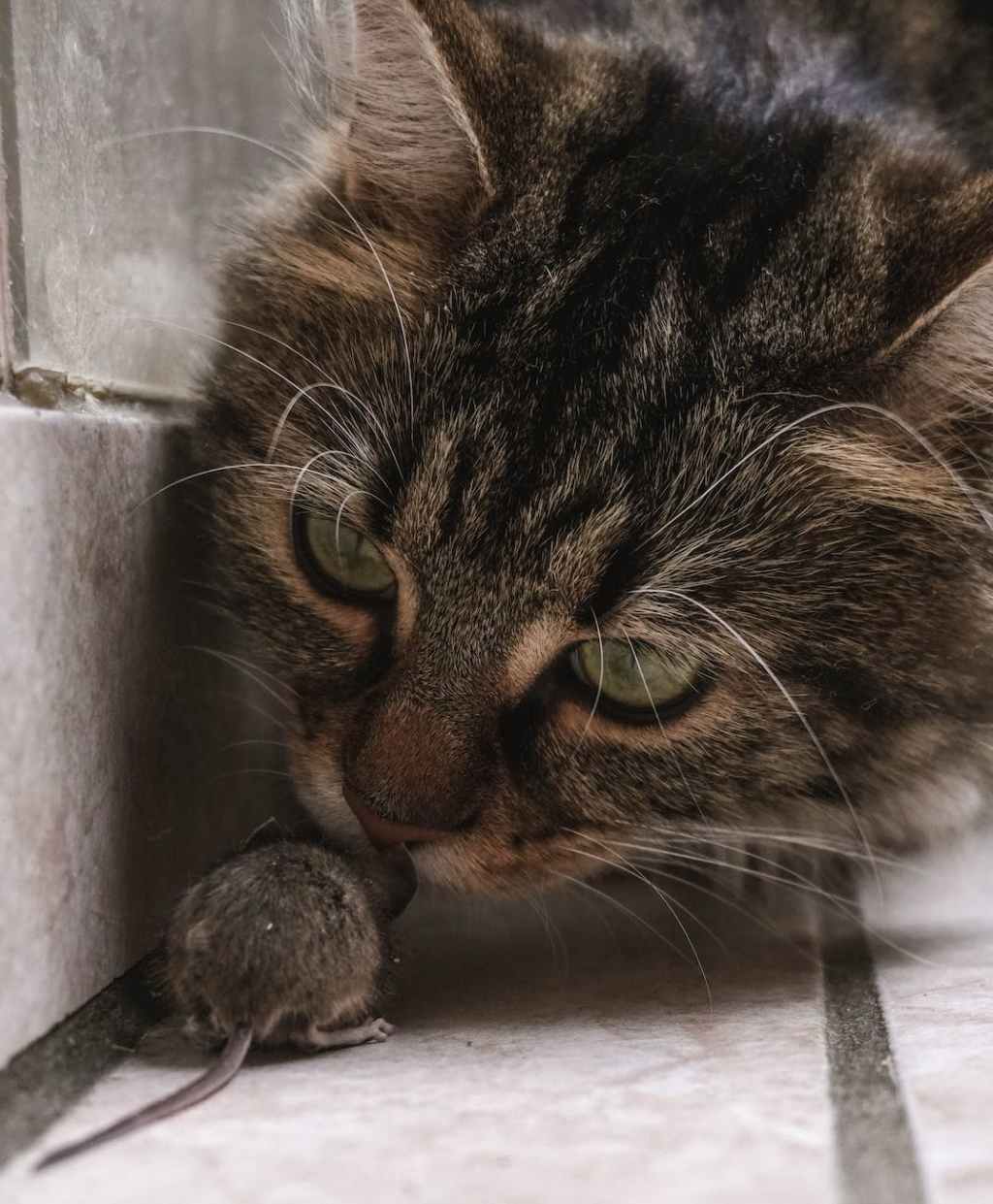
As cat owners, one of the ethical dilemmas we face is whether to keep our feline friends indoors or allow them outdoor access. The debate surrounding indoor vs. outdoor cat keeping is multifaceted, involving considerations of safety, environmental impact, and the well-being of our beloved pets. In this article, we will explore the ethics of keeping cats indoors, examining the benefits and challenges associated with this practice.
Safety Concerns: One of the primary ethical considerations for keeping cats indoors revolves around safety. Indoor cats live on average 10-15 years, while outdoor cats live on average 2-5 years. Outdoor environments expose cats to various risks, including traffic accidents, predators, diseases, and accidental poisoning. Indoor living helps protect cats from these dangers, ensuring a longer and healthier life. By keeping our cats indoors, we make a conscious effort to prioritize their safety and well-being.
Cats with uncontrolled access to the outdoors are more likely to become lost and contribute to homelessness and feral cat populations.
Another study found that 39% of cases of sudden death in cats was caused by trauma. Of that 39%, it was found 87% were caused by vehicles.
Environmental Impact:
The beloved domestic cat was not alway in the United States; These felines were introduced to the U.S. with European colonists. Since their introduction, the number of domestic cats has tripled in the past 40 years. Today, the United States has over 100 million outdoor and feral cats. These cats function as an invasive species and allowing cats outdoors has ecological consequences, as they may pose a threat to local wildlife. Species that evolved together for millions of years are thrown out of balance by cats and other invasive species.
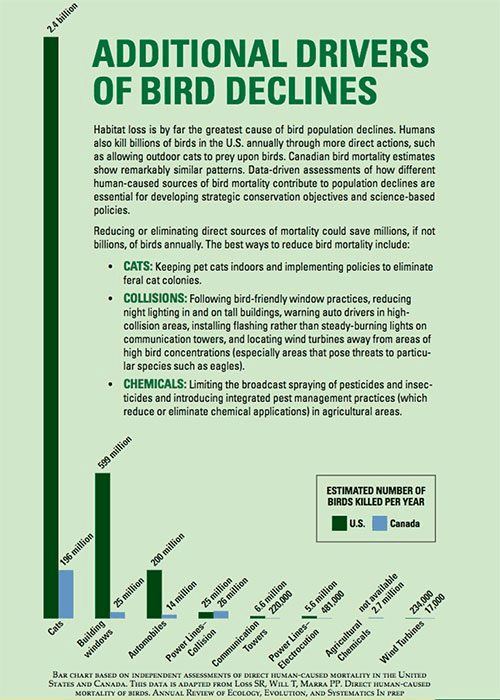
According to the 2014 State of the Birds Report, it is estimated that cats kill 1.3-4 billion birds each year. This is an overwhelming number when compared to the next-largest source – 599 million estimated killed in collisions with windows. Image from the 2014 State of the Birds Report.
Every year, well over 1 billlion birds are killed by cats. This is unsustainable for many already-declining species such as the Wood Thrush and Least Tern. Cats are natural hunters and are known to kill for sport. When left to roam freely, they may contribute to the decline of bird and small mammal populations. Indoor living helps mitigate this impact, promoting responsible pet ownership and environmental conservation.
Health and Well-being: Indoor living can contribute to a cat’s overall health and well-being. Indoor cats are less exposed to contagious diseases, parasites, and harsh weather conditions. Providing a stimulating indoor environment with toys, scratching posts, and interactive play helps keep cats mentally and physically active. Additionally, indoor cats are less likely to engage in territorial disputes with other animals, reducing the risk of injuries.
A study monitoring suburban cats while outdoors found that 28 out of the 55 cats monitored had an interaction with an unfamiliar cat or wildlife. This opens them to communicable diseases including feline leukemia virus (FeLV), feline immunodeficiency virus (FIV), bartonellosis, and rabies. Both FeLV and FIV leave cats susceptible to secondary infections, which may impair quality of life and lifespan.
Responsible Alternatives: For cat owners concerned about their pets missing out on the joys of outdoor exploration, responsible alternatives can be considered. Constructing enclosed outdoor spaces, commonly known as “catios,” allows cats to experience the outdoors safely. These enclosed spaces provide a compromise, allowing cats to enjoy fresh air, sunshine, and the sights and sounds of nature without exposing them to potential dangers.
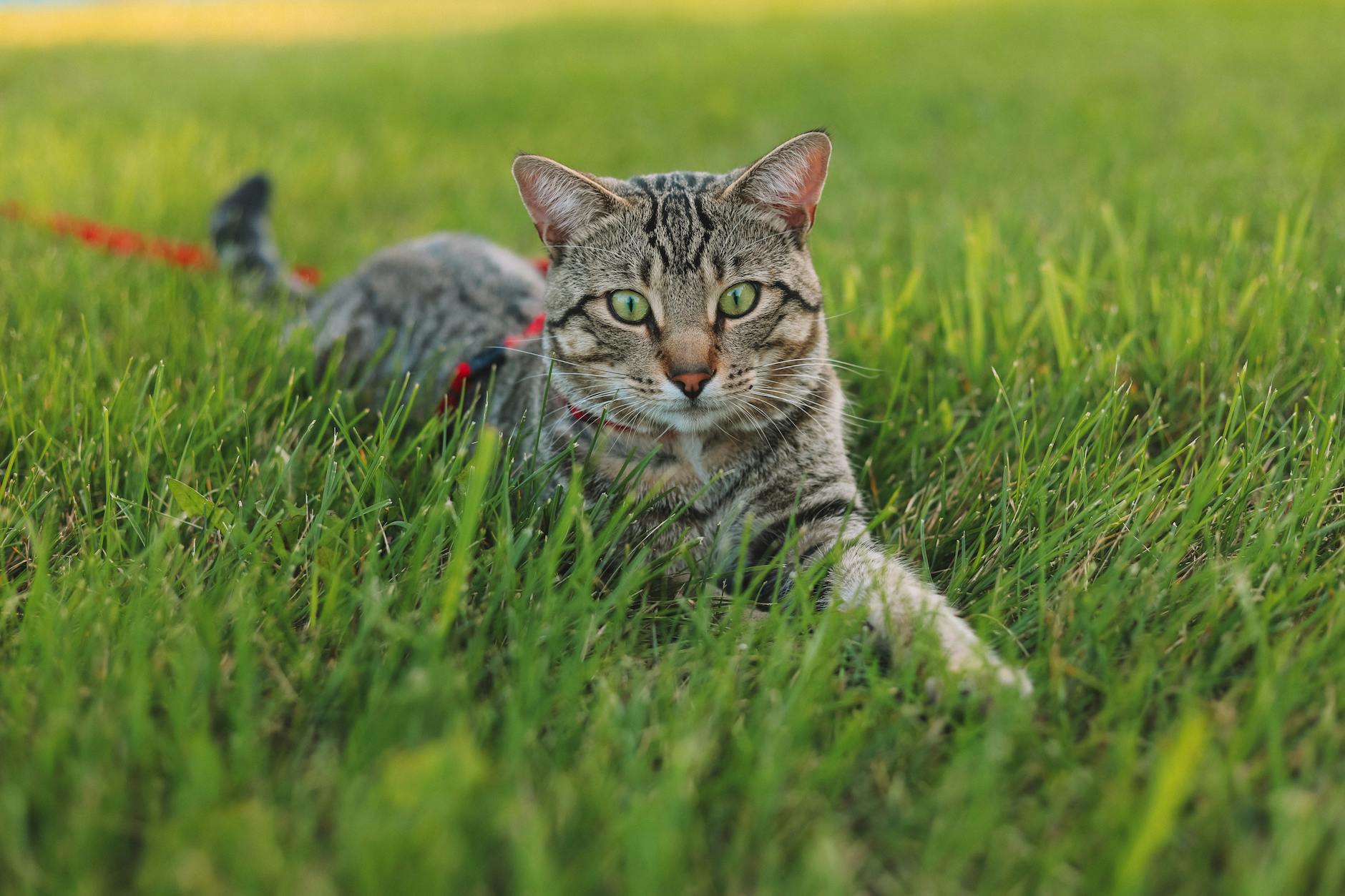
Another alternative is leash or harness training. This permits supervised outside time for the cat while keeping it safe and the environment around it undisturbed. Cat owners can reponsibly take their cats with them on hikes or other outdoor activities.
Indoor Enrichment: Creating an enriched indoor environment is essential for the ethical keeping of cats indoors. Ensure your home is equipped with scratching posts, climbing structures, and interactive toys to stimulate their natural instincts. Regular playtime and interaction with owners can help prevent boredom and ensure a happy, fulfilled indoor cat.
It’s crucial to recognize that the decision to keep a cat indoors or allow outdoor access is not one-size-fits-all. Each cat is an individual with unique personality traits, and their needs and preferences may vary. Some cats thrive indoors, while others may benefit from supervised outdoor experiences. Tailoring your approach to your cat’s specific needs ensures ethical and responsible pet ownership.
The ethics of keeping cats indoors involve a careful consideration of safety, environmental impact, and the well-being of our feline companions. While indoor living offers protection from various risks, responsible alternatives, such as catios, allow for a compromise. Ultimately, the key is to prioritize the individual needs of your cat, providing a safe and stimulating environment that promotes a happy and healthy life. By navigating this ethical dilemma thoughtfully, we can ensure that our cats lead fulfilling lives while minimizing potential risks.
Sources
American Association of Feline Practitioners: “2016 Impact of Lifestyle Choice on the Companion Cat – Indoor vs. Outdoor.”
The Humane Society of the United States Safe Cats campaign: “A Safe Cat Is a Happy Cat: And Your Cat Is Only Safe Indoors.”
UC Davis Veterinary Medicine: “Cats: Indoors or Outdoors?”
Foreman-Worsley R, Finka LR, Ward SJ, Farnworth MJ. Indoors or Outdoors? An International Exploration of Owner Demographics and Decision Making Associated with Lifestyle of Pet Cats. Animals (Basel). 2021 Jan
Tan SML, Stellato AC, Niel L. Uncontrolled Outdoor Access for Cats: An Assessment of Risks and Benefits. Animals (Basel). 2020 Feb
ASPCA: “General Cat Care,” “Your Cat – Indoors or Out.”
Cornell University, NABCI: State of the Birds 2014 Report
American Bird Conservancy: Cats | Invasives
 Earthshine Farm
Leave a comment