
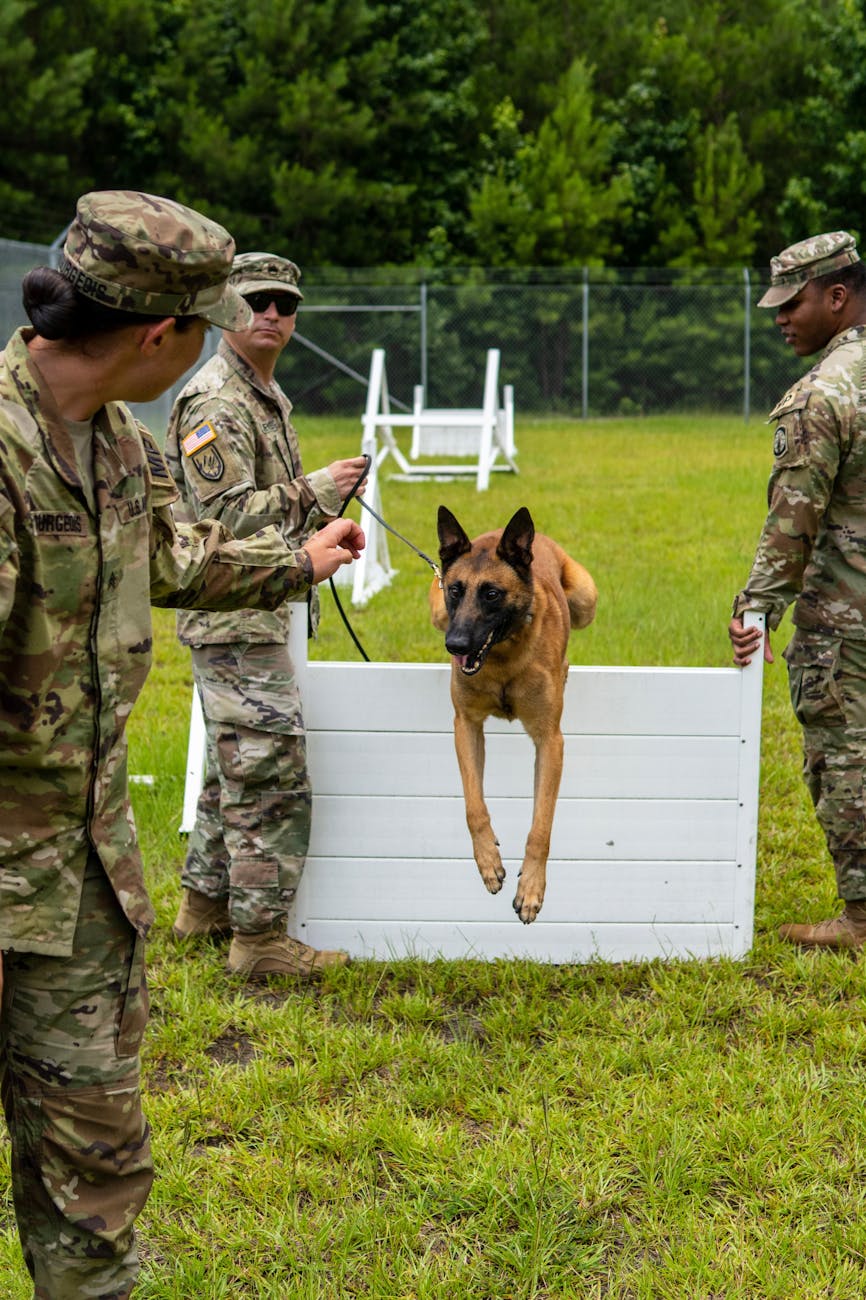
In the vast tapestry of American history, there are countless stories of bravery, sacrifice, and unwavering loyalty. Among these narratives are the tales of our nation’s courageous military veterans, who have served and protected with valor. Yet, alongside these human heroes stand another breed of warriors, often overlooked but equally deserving of recognition – our K9 veterans.
Every year on March 13th, the United States commemorates National K9 Veterans Day, a day set aside to honor the contributions and sacrifices of military and working dogs throughout history. These remarkable canines have served alongside their human counterparts in times of war and peace, performing a multitude of roles that have been instrumental in safeguarding our nation’s security.
The origins of National K9 Veterans Day can be traced back to March 13, 1942, when the United States Army began training dogs for the newly established War Dog Program, also known as the “K-9 Corps.” This program marked the official induction of dogs into the U.S. Armed Forces, recognizing their unique abilities and instincts that could be utilized to aid in various military operations.
Since then, military and working dogs have played indispensable roles in a wide range of tasks, including bomb detection, search and rescue missions, patrol duties, and even providing companionship and morale support to troops. Their keen sense of smell, agility, and unwavering loyalty have saved countless lives and contributed immeasurably to the success of military operations around the world.
One of the most iconic roles of military dogs is that of the scout and patrol dog. These highly trained canines accompany soldiers on reconnaissance missions, using their acute senses to detect potential threats such as hidden explosives, enemy forces, or ambushes. Their presence not only enhances the safety of the troops but also provides a valuable early warning system in hostile environments.
Additionally, military dogs have been instrumental in search and rescue efforts during natural disasters and humanitarian crises. Their agility and sense of smell enable them to locate survivors buried under rubble or trapped in remote areas, often in conditions where human rescuers would struggle to access or navigate.
Moreover, the bond between a handler and their K9 counterpart is a testament to the unique partnership forged in the crucible of service. Handlers and their dogs undergo rigorous training together, forming a deep bond built on trust, respect, and mutual reliance. This partnership extends beyond the battlefield, with many handlers forming lifelong connections with their canine companions even after their service has ended.
Despite their invaluable contributions, K9 veterans have often faced challenges upon their return from service. Many of these brave animals have experienced injuries, trauma, or health issues as a result of their duties, yet their sacrifices are not always fully recognized or adequately supported.
National K9 Veterans Day serves as a poignant reminder of the debt of gratitude we owe to these four-legged heroes. It is a day to honor their service, remember their sacrifices, and ensure that they receive the care and recognition they deserve in retirement. Organizations such as the United States War Dogs Association and K9s for Warriors work tirelessly to advocate for the welfare of military and working dogs, providing medical care, rehabilitation, and adoption services for retired K9 veterans.
As we observe National K9 Veterans Day, let us take a moment to reflect on the courage, loyalty, and selflessness of these extraordinary animals. Their unwavering dedication to duty serves as an inspiration to us all, reminding us of the profound impact that animals can have in the service of their country. So, on March 13th, let us pay tribute to our furry heroes and ensure that their legacy continues to be honored for generations to come.
Tasha He is the owner of Earthshine Farm, a local farm and pet-sitting business. Tasha is passionate about animal care and education, believing that education is vital to responsible pet ownership and animal husbandry.
 Earthshine Farm
Leave a comment