
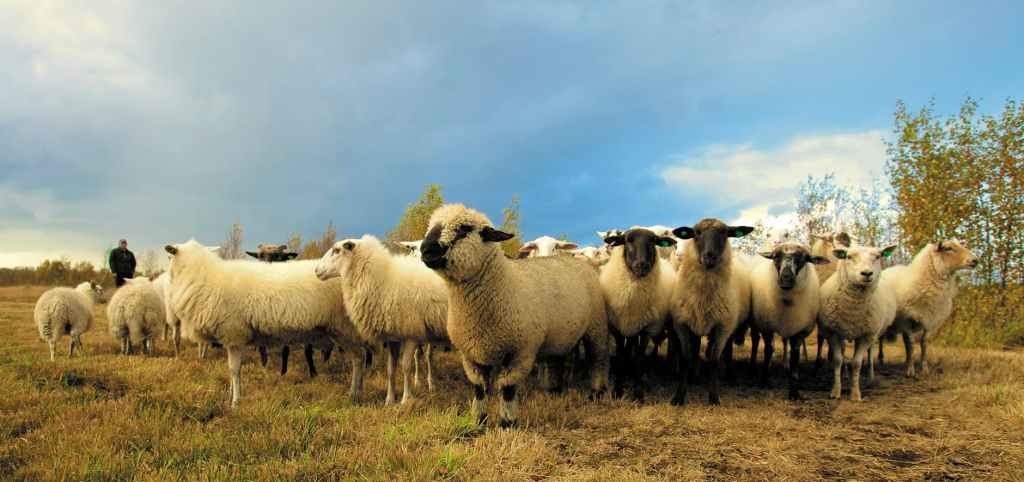
Sheep, with their gentle demeanor and woolly coats, have been domesticated for thousands of years, providing humanity with wool, milk, and meat. Whether you’re a seasoned shepherd or a newcomer to the world of sheep farming, understanding their needs and providing proper care is essential for their health and well-being. In this article, we’ll delve into the basics of sheep care, from nutrition and shelter to health management and breeding practices.
Nutrition
A balanced diet is crucial for the health of your sheep. They require a diet rich in fiber, which can be obtained from good quality hay or pasture. Supplementing their diet with grains or commercial sheep feed can ensure they receive essential vitamins and minerals. Access to fresh, clean water is also paramount, especially during hot weather or when nursing lambs.
Shelter & Protection
Providing adequate shelter is essential for protecting sheep from harsh weather conditions such as rain, wind, and extreme temperatures. A sturdy, well-ventilated barn or shelter will offer them a safe haven during inclement weather. Additionally, ensure that the shelter is clean and free from moisture to prevent the development of health issues like foot rot.
Sheep are vulnerable to predators such as wolves, coyotes, and dogs. Implementing measures such as secure fencing, livestock guardian dogs, and regular patrols can help deter predators and protect your flock. Additionally, providing sheltered areas where sheep can seek refuge from potential threats can further enhance their safety.
Health & Behavior
Regular health checks are crucial for detecting and preventing illnesses in your flock. Monitor your sheep for signs of illness such as lethargy, loss of appetite, or abnormal behavior. Vaccinations and deworming should be administered as recommended by a veterinarian to prevent common diseases and parasites. It’s also essential to trim their hooves regularly to prevent overgrowth and lameness.
Understanding sheep behavior can help you better care for your flock. Sheep are social animals and thrive in groups, so ensure they have ample space to move and interact with one another. Additionally, they have a natural flocking instinct and may become stressed if separated from their companions. Gentle handling and calm demeanor can help build trust and reduce stress in your sheep.
Breeding
If you’re involved in breeding sheep, careful planning and management are essential for maintaining a healthy and productive flock. Selecting quality breeding stock based on traits such as conformation, wool quality, and disease resistance can improve the overall quality of your flock. Additionally, proper management of breeding ewes and rams, including appropriate nutrition and breeding schedules, is vital for successful reproduction.
Caring for sheep requires dedication, knowledge, and attention to detail. By providing proper nutrition, shelter, healthcare, and attention to their behavioral needs, you can ensure the health and well-being of your flock. Whether you’re a hobbyist or a commercial sheep farmer, the bond between shepherd and sheep is a rewarding one, built on mutual trust and care. With the right approach, your flock will thrive, providing you with wool, meat, and companionship for years to come.
Earthshine Farm is dedicated to your livestock. Livestock are an investment. When you have an emergency or simply want to travel, you can count on Earthshine Farm to care for your flock. Contact us now for your farm sitting quote.
Why should you choose a farm sitter? Read more about it here.
 Earthshine Farm
Leave a comment