
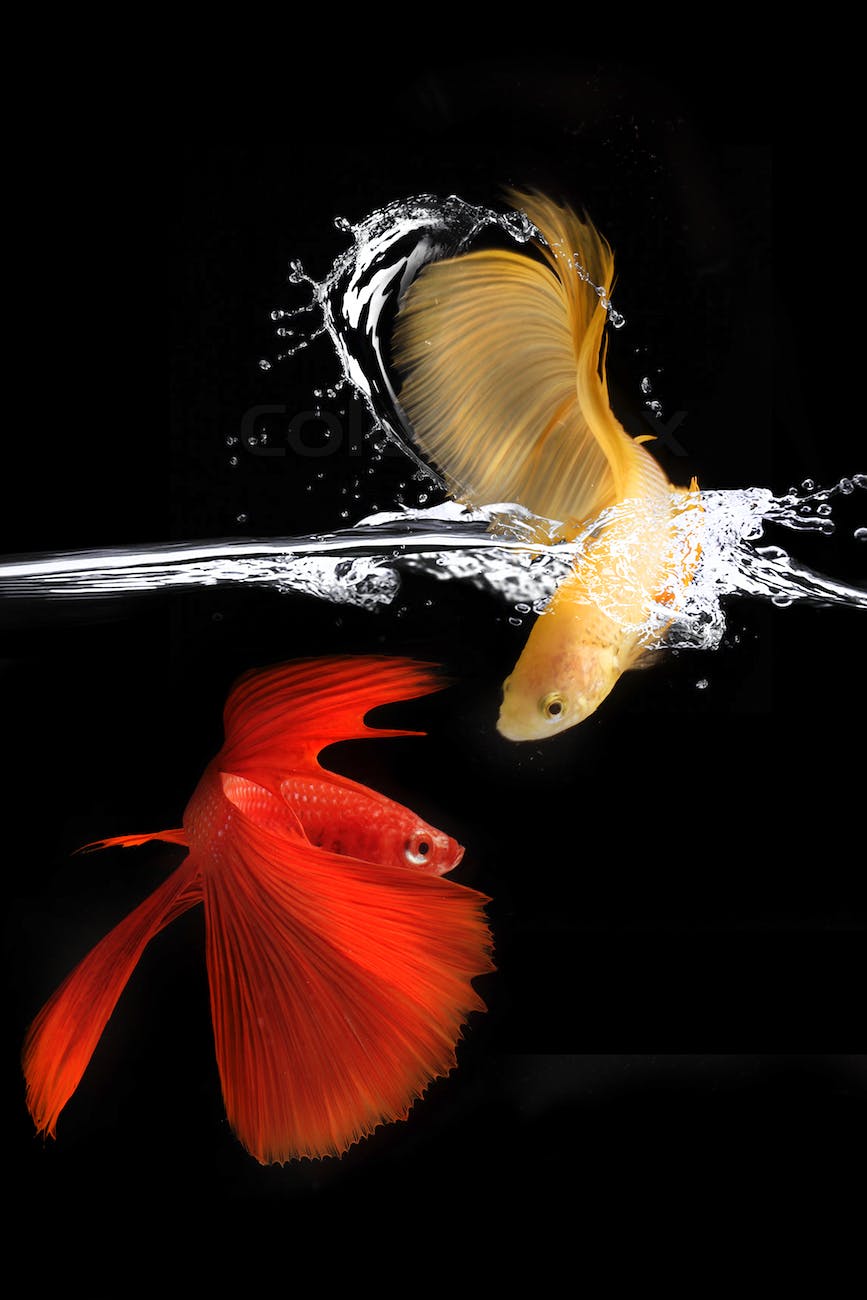
Betta fish, also known as Siamese fighting fish, are popular and captivating aquarium pets known for their vibrant colors and elaborate fins. To ensure the health and well-being of these beautiful creatures, proper care is essential. In this guide, we’ll explore the key elements of proper betta fish care to create a thriving and vibrant environment for these stunning aquatic companions.
Choosing the Right Habitat:
Betta fish are best suited for solitary living due to their territorial nature. People often have the misconception that a betta fish can be kept in a small jar or tank. This is not suitable for the betta fish. A minimum tank size of 5 gallons is recommended to provide ample space for swimming and exploration. Ensure the tank has a lid to prevent the betta from jumping out, as they are known to be excellent jumpers.
Betta fish enjoy an enriched environment with hiding spots, plants, and decorations. Live or silk plants are preferable to plastic ones to prevent damage to their delicate fins. Add caves or ornaments for shelter, creating a stimulating and secure environment. Ensure there are no sharp edges that could cause injury.
Water Quality, Temperature, and Filtration:
Maintaining clean and properly conditioned water is crucial for betta fish health. Use a reliable aquarium water conditioner to remove chlorine and chloramine. Regular water changes of at least 25% every week, or 50% every two weeks, help keep ammonia and nitrite levels low. Invest in a quality water test kit to monitor water parameters.
Bettas thrive in warm water conditions ranging from 78 to 80 degrees Fahrenheit (25-27 degrees Celsius). Use a reliable aquarium heater to maintain a consistent temperature. Additionally, a gentle filtration system, preferably one with a low flow, will help keep the water clean without causing stress to the betta.
Proper Nutrition & Health:
A well-balanced diet is essential for betta fish. Choose high-quality betta pellets or flakes as their primary food source. Supplement their diet with frozen or live foods such as brine shrimp, bloodworms, or daphnia to provide essential nutrients. Feed them small portions once or twice a day, ensuring they consume the food within a few minutes.
Regularly observe your betta for signs of illness, stress, or unusual behavior. Common indicators of health issues include changes in appetite, lethargy, faded colors, or unusual growths. Isolate sick fish promptly and seek advice from a qualified veterinarian with experience in fish care if needed.
Quarantine New Additions:
Before introducing new fish to the aquarium, quarantine them in a separate tank for a few weeks to prevent the spread of diseases. This precautionary measure ensures the health and safety of your existing betta fish.
Proper betta fish care involves creating a suitable habitat, maintaining water quality, providing a nutritious diet, and monitoring their health regularly. By following these guidelines, you’ll be well on your way to fostering a thriving and happy betta fish. Remember, the key to successful betta keeping lies in dedication, observation, and a genuine love for these fascinating aquatic companions.


Leave a comment